
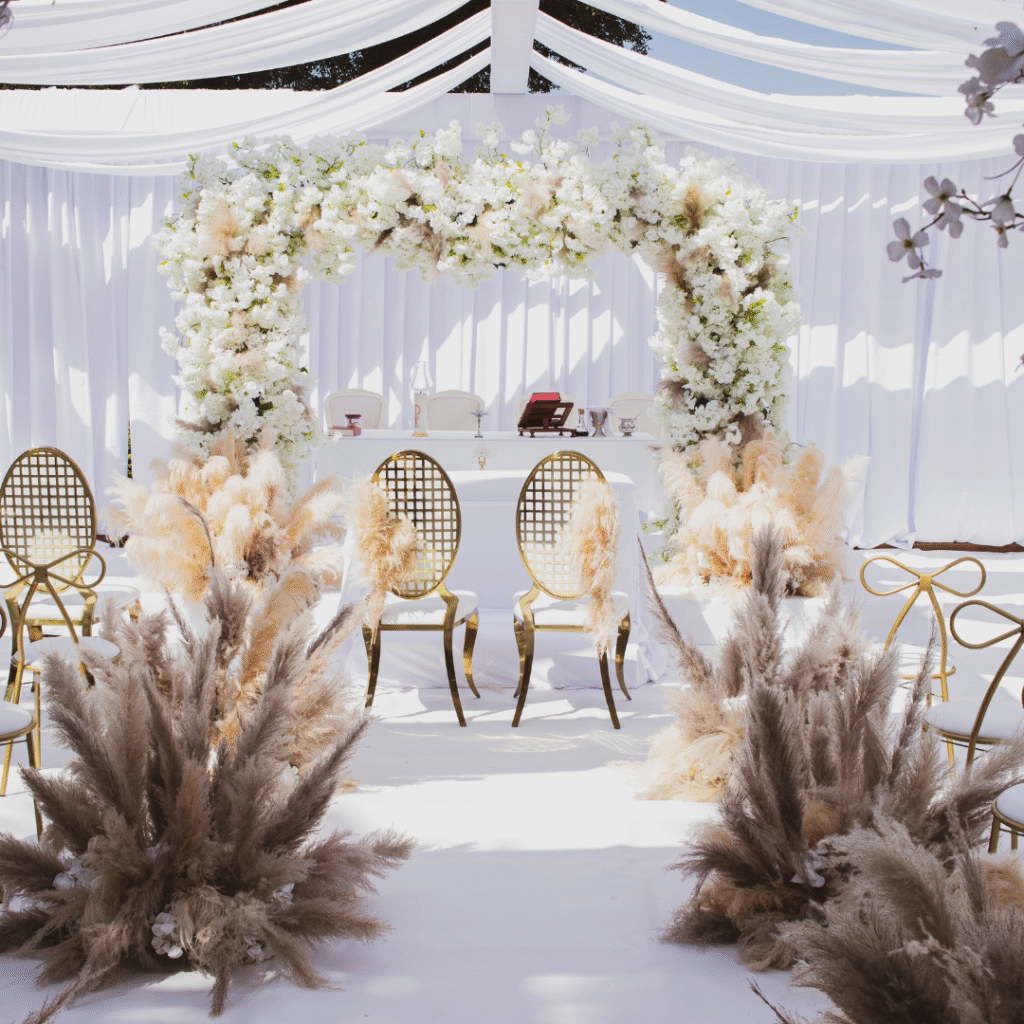
Choosing the right venue for a wedding depends on matching the space with the couple’s personal style and the atmosphere they want to create. Whether they prefer a traditional, rustic, modern, or intimate setting, the venue should reflect that vision clearly.
The key is to prioritise venues that complement their wedding style while considering practical factors such as guest capacity, location, and available amenities. This ensures the venue supports both the aesthetic and logistical needs of the day.
Understanding the couple’s style up front helps narrow down options quickly, making the decision more efficient and tailored. It also sets the tone for the rest of the planning process, ensuring consistency throughout the event.
Defining Your Wedding Style and Vision
Defining the mood and overall look sets the foundation for choosing a venue. It involves pinpointing the atmosphere that fits the couple’s personality and acknowledging how themes or seasons shape their ideas.
Establishing Your Preferred Atmosphere
Couples should first decide whether they want a formal, casual, rustic, or modern setting. Each atmosphere influences the venue type—from a stately mansion for a traditional wedding to a farm or barn for a rustic feel.
Key questions to consider include:
- How intimate or large is the guest list?
- Should the space feel cosy or grand?
- What colours, décor styles, and lighting reflect their vision?
Answering these helps narrow venue options. Some venues suit evening receptions better due to lighting and acoustics, while others shine during daylight events.
Considering Themed and Seasonal Influences
Themes often dictate venue suitability; a beach theme requires waterfront access, while a vintage theme might call for historic architecture. The wedding date is crucial, too. Spring weddings might favour blooming gardens, whereas winter events demand indoor warmth and charm.
Seasonal factors affect not just aesthetics but practical needs like heating, lighting, and outdoor space usability. Aligning the venue with both the theme and season ensures a comfortable and cohesive experience for guests and the couple alike.
Setting Your Guest List and Budget
Before selecting a wedding venue, it is essential to have a clear understanding of how many guests to invite and how much money can be allocated. These factors directly influence the choice of venue and the type of experience that can be created.
Determining Guest Numbers Early
They should start by drafting a preliminary guest list, including close family and friends. This early estimate helps avoid choosing venues that are too large or too small for the event. It also allows for better seating and catering planning.
They must consider whether to include plus-ones, children, and distant relatives. Prioritising essential guests over acquaintances can significantly reduce costs and simplify logistics. Finalising the guest list early prevents last-minute changes that impact venue capacity.
Budgeting for Both Venue and Extras
They need to set a firm budget that covers the venue cost and additional expenses like catering, decoration, and entertainment. Often, venues provide packages that include some services, but it’s important to clarify what is included and what requires extra payment.
Allocating funds against a detailed list of expected costs helps manage spending effectively. They should also reserve a contingency amount, typically 10-15%, for unexpected charges related to the venue or guest accommodations.
Comparing Venue Types for Your Style
Different wedding venues offer distinct atmospheres, layouts, and amenities that influence the overall experience. Understanding these differences is crucial to match the venue type with the desired wedding style and practical needs.
Barn Wedding Venues versus Country House Venues
Barn wedding venues create a rustic, relaxed setting with exposed wooden beams and open spaces, often in rural areas. They are ideal for couples seeking a casual yet charming atmosphere with natural backdrops. However, barn venues may require additional decoration and weather considerations, especially if outdoor spaces are central.
Country house wedding venues provide a more formal and elegant environment. These venues often have manicured gardens, historic architecture, and sophisticated interiors. They cater well to traditional or classic wedding styles but may have stricter rules regarding noise, catering, and event timing.
The choice between these two depends on the desired tone—barn venues lean towards rustic chic, while country houses offer understated grandeur.
Unique Venues for Distinctive Celebrations
Some couples opt for unique wedding venues such as art galleries, museums, or converted industrial spaces to reflect a contemporary or unconventional style. These spaces often bring character that traditional venues lack, making the celebration memorable.
Unique venues may pose challenges in terms of layout and facilities. Many require external vendor coordination, less infrastructure for catering or ceremonies, and sometimes higher costs. However, their distinctive appeal can justify these trade-offs for a personalised touch.
When selecting these venues, it is important to evaluate how the space fits the couple’s vision and guest experience.
Assessing Venue Flexibility and Amenities
Flexibility in a wedding venue affects how closely the event can reflect the couple’s style. Venues with on-site catering, in-house furniture, and adaptable indoor/outdoor spaces allow for easier tailoring of the event.
Important amenities to consider include parking availability, accommodation, sound equipment, and climate control, as these directly impact guest comfort. Some venues offer packages inclusive of décor and planning assistance, which reduces stress but may limit customisation.
Before confirming, checking the venue’s policies on vendors, timings, and capacity ensures it can accommodate specific style and logistical needs.
Assessing Practicalities and Final Steps
Choosing a wedding venue involves balancing convenience, availability, and specific service options. Couples must verify location logistics, confirm date options, clarify catering flexibility, and carefully review any rules or legal agreements before committing.
Venue Accessibility and Location
The venue should be easy to reach for most guests, ideally close to main transport links like train stations or major roads. Ample parking or shuttle services are valuable for those travelling by car. Accessibility for guests with mobility issues must be confirmed, including ramps, lifts, or accessible restrooms.
Nearby accommodation options are also important if many guests will stay overnight. The surroundings should match the style and atmosphere desired, but practicalities such as noise restrictions or neighbourhood rules require consideration here.
Availability and Preferred Wedding Dates
Confirming the venue’s availability on preferred dates is crucial early in the process. Popular venues can book out over a year in advance, especially during peak wedding seasons. Flexibility with dates may increase options.
Couples should ask about restrictions on event timing, including when the venue opens and closes and any curfews. It’s also wise to check if the venue hosts more than one event per day to avoid scheduling conflicts.
Catering Options and External Caterers
Some venues offer in-house catering, while others allow external caterers. Knowing this ahead of time shapes food choices and budgeting. If external caterers are permitted, couples should inquire about any preferred vendor lists, kitchen access, or additional fees.
Dietary requirements and menu customisation options should be discussed thoroughly. Packages may include drinks, equipment, and staffing, which affect overall cost and coordination.
Reviewing Venue Restrictions and Contracts
It is essential to review all venue rules and restrictions carefully before signing any contract. These may include noise limits, decoration policies, and restrictions on suppliers or open flames.
Contracts should clearly state payment schedules, cancellation terms, and what is included in the rental fee. Couples must ensure all agreed details are in writing to avoid misunderstandings. Asking for clarification on any unclear terms is advisable.