
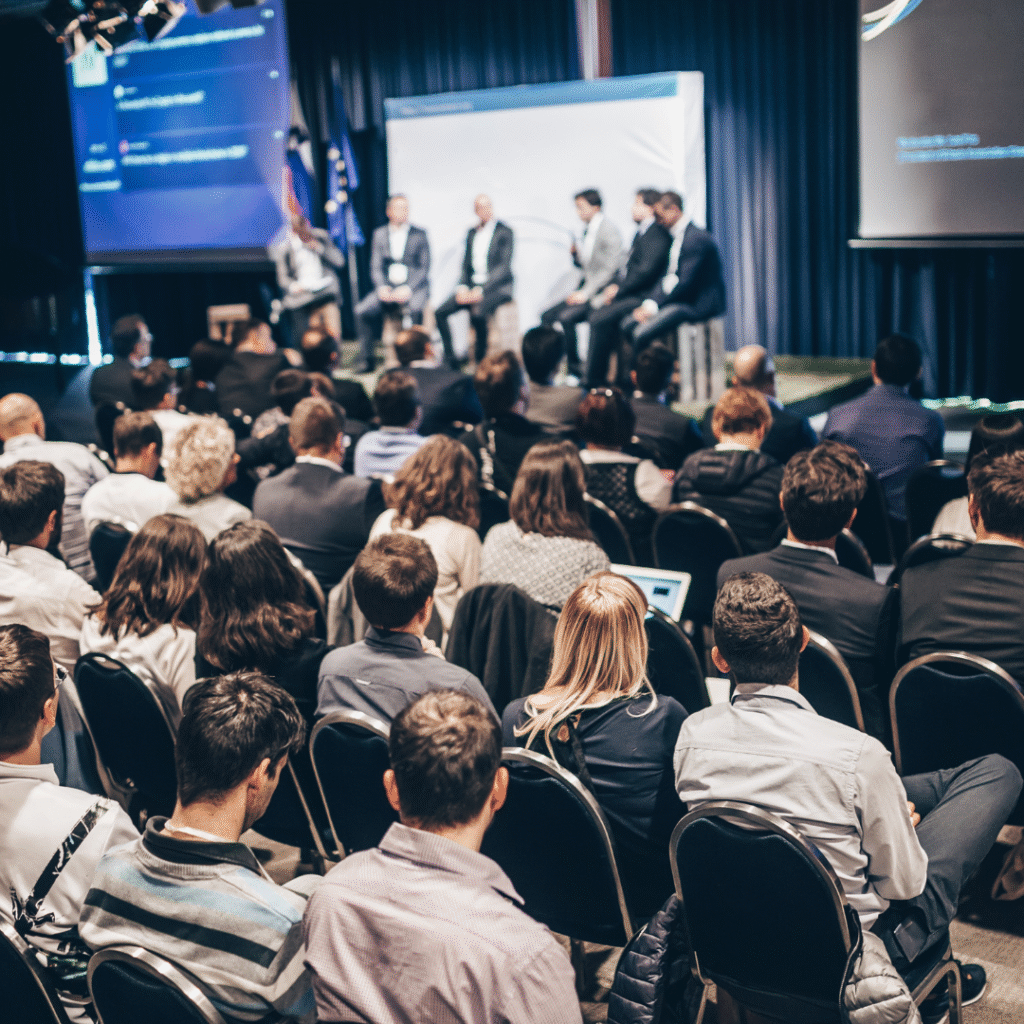
Attracting guests to a corporate event requires a clear understanding of the target audience and effective communication of the event’s value. The key is to offer a compelling reason for attendance that aligns with their interests or professional goals. Creating a strong, relevant invitation and promoting the event through appropriate channels ensures better engagement.
Personalisation can increase interest, as guests respond well when they feel the event caters to their needs. Offering incentives such as networking opportunities, expert speakers, or exclusive content can also boost attendance.
Using a mix of digital marketing, direct outreach, and timely reminders helps maintain awareness and encourages confirmation. A strategic approach to promotion makes the difference between a well-attended event and one that falls short.
Understanding Your Target Audience
Knowing precisely who the event is for shapes every aspect of planning. Detailed insight into guests’ needs and interests improves engagement and increases attendance.
Identifying Stakeholder Needs
Organisers must first define the needs of key stakeholders such as sponsors, company executives, and attendees. This involves gathering data through surveys, interviews, or past event analytics.
Focus on what each group expects to gain. For example, sponsors may seek brand exposure, while attendees want networking opportunities or industry insights.
Clear alignment of these varied needs ensures the event delivers value and motivates stakeholder participation.
Segmenting Potential Guests
Segmenting the audience based on demographics, job roles, or interests helps tailor invitations and event features. Categories may include senior executives, mid-level managers, or external partners.
Use criteria such as industry sector, professional challenges, or geographic location. This allows for personalised messaging and relevant programmes.
Segmenting also aids in allocating resources effectively, ensuring catered experiences for diverse groups within the overall target audience.
Aligning Event Goals with Audience Interests
Event objectives must mirror what the target guests find meaningful. For example, if networking is a priority for the audience, the agenda should include dedicated networking sessions and interactive formats.
Communicate clearly how the event supports attendees’ development or business objectives.
This alignment increases the perceived value, making the event more appealing and encouraging registration.
Crafting an Appealing Event Experience
Creating an event that appeals to guests requires attention to detail in the venue, the programme, and opportunities for meaningful connections. Each element shapes guest perception and engagement, impacting attendance and satisfaction.
Selecting the Ideal Venue
The venue sets the tone and influences guest comfort. It should be accessible, with good transport links and ample parking. Capacity must match the expected audience size to avoid overcrowding or empty spaces.
Ambience is equally important. A well-lit, aesthetically pleasing location can boost attendees’ mood and focus. Consider technical facilities such as Wi-Fi, AV equipment, and reliable power sources, which are crucial for presentations and interactive sessions.
The venue should also allow flexibility for different event formats—keynotes, workshops, or breakout discussions. Services like catering and security should be professional and seamless, supporting the flow of the event rather than hindering it.
Designing a Memorable Programme
An effective programme balances content relevance with variety. It should include keynote speakers, panel discussions, and interactive segments tailored to the guests’ industry and interests.
Timing is key. Avoid overloading the agenda to prevent guest fatigue. Include breaks for networking or refreshments to maintain energy levels.
Diverse session formats increase engagement. For example:
- Workshops to develop skills
- Fireside chats for informal expert insights
- Case studies demonstrating practical applications
Clear scheduling with detailed descriptions helps guests manage their time and prioritise sessions.
Enhancing Networking Opportunities
Networking is a primary reason many attend corporate events. Structured and informal settings alike should encourage introductions and conversations.
Designate specific networking breaks and areas, such as lounge zones or themed tables, to facilitate encounters. Use event apps to help guests connect by sharing profiles and messaging options beforehand and during the event.
Incorporate interactive elements like group activities or icebreaker games. These promote engagement and ease conversation starters.
Hosts and facilitators can also encourage connections by introducing guests with similar interests or complementary roles, increasing the event’s professional value.
Implementing Strategic Event Promotion
Effective promotion requires targeting the right audience with tailored messages across multiple channels. Using specific outreach methods and partnerships can increase visibility and improve attendance rates.
Utilising Digital Marketing Channels
Digital marketing offers precise targeting to reach the desired corporate audience efficiently. Platforms like LinkedIn and Twitter are essential due to their professional user base. Paid adverts can be tailored by industry, job title, and location to enhance relevance.
Email marketing remains a powerful tool when combined with segmented lists and compelling subject lines. Video content and interactive posts on social media engage viewers and raise awareness. Monitoring analytics helps optimise campaigns and budget allocation.
Search engine advertising and retargeting ensure the event stays top-of-mind for potential guests. A dedicated event landing page with clear call-to-actions improves registration rates.
Personalised Invitations and Outreach
Personalisation improves response rates by making guests feel valued. Using data like past event attendance or job roles allows tailored messaging addressing specific interests.
Invitations should include clear benefits of attending, such as networking opportunities or exclusive content. Adding personal touches, like the recipient’s name or customised schedules, makes communication stand out.
Follow-ups through phone calls or personalised emails reinforce interest and can clarify doubts. Utilising CRM tools helps track engagement and plan timely outreach efforts.
Leveraging Partner and Sponsor Networks
Partners and sponsors can extend promotional reach by sharing event information with their established audiences. This strategy taps into relevant, pre-qualified groups related to the event’s theme or industry.
Clear agreements should define partners’ promotional roles and incentives, such as branding or speaking opportunities. Collaborative content, like co-hosted webinars or joint social media posts, amplifies interest.
Sponsors’ endorsement lends credibility, especially when targeting senior decision-makers. Tracking referral sources ensures evaluation of each partner’s impact on registrations.
Encouraging Early and Group Registrations
Offering discounts for early sign-ups motivates prompt commitments and helps forecast attendance. Early-bird pricing should have clear deadlines to create urgency.
Group rates encourage companies to send multiple attendees, enhancing overall participation. Highlighting the networking advantages for teams can be an effective angle.
Automated reminders before offer expirations increase registration rates. Clear communication about refund or transfer policies reduces hesitation.
Maximising Engagement and Follow-Up
Engagement and follow-up are crucial to turn event attendees into active participants and maintain lasting connections. Using dynamic formats during the event, managing guest experience effectively onsite, and implementing structured post-event communication all contribute to this goal.
Interactive Session Formats
Interactive sessions encourage attendees to participate rather than observe passively. Formats such as workshops, panel discussions with live Q&A, and breakout groups enable guests to engage with the content and network more effectively.
Polls and real-time surveys can be integrated using event apps to gather immediate feedback and keep interest levels high. Gamification elements, like contests or quizzes related to the theme, also drive active involvement, enhancing retention of information and networking opportunities.
Careful planning ensures session topics meet audience interests and align with business objectives. Facilitators should encourage diverse viewpoints and provide clear instructions for participation to maximise interaction.
Onsite Guest Experience Management
A seamless guest experience begins at registration, where quick check-ins and welcoming staff set a positive tone. Clear signage and accessible information desks help guests navigate the venue easily, reducing frustration.
Event planners should prioritise comfort, offering adequate seating, refreshments, and quiet areas for informal networking. Scheduling breaks strategically allows time for conversations without losing momentum.
Using technology such as wearable badges or mobile apps helps track attendance and personalise the experience by sending tailored notifications or session reminders. Trained staff should be available to assist with technical or logistical issues promptly.
Post-Event Communication Strategies
Following up promptly is vital for maintaining the momentum built during the event. Sending personalised thank-you emails with session highlights or access to recorded content keeps guests engaged.
Organisers should segment contact lists to tailor follow-ups based on attendees’ interests or interaction levels during the event. Sharing relevant resources, surveys for feedback, or invitations to future events maintains communication.
Social media platforms can amplify reach and encourage ongoing networking through dedicated event groups or hashtags. Timely, clear messaging increases the likelihood of converting attendees into long-term contacts or customers.