
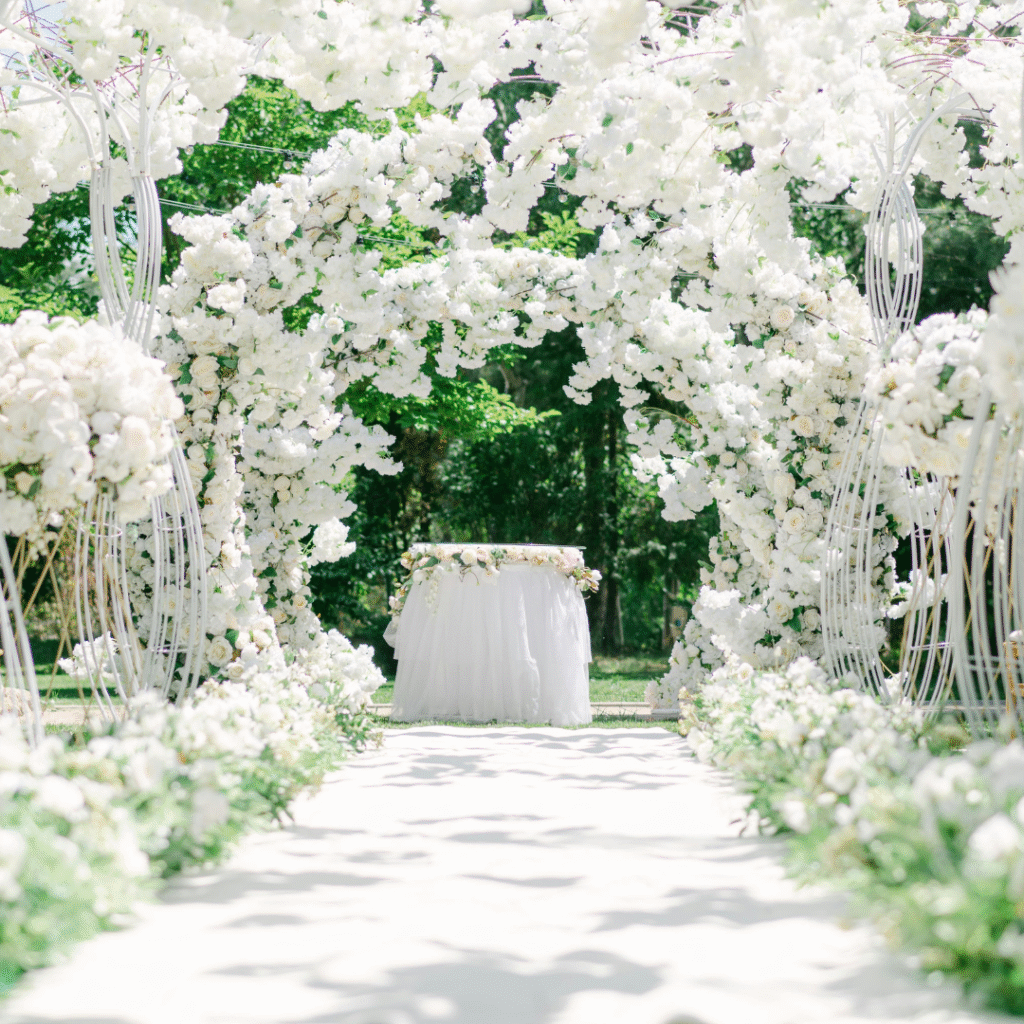
Choosing a wedding venue is one of the most important decisions in the planning process. It shapes the entire day, so knowing what to ask before booking can save time, money, and stress. Many couples overlook key details that can affect their celebration.
They should ask about availability, capacity, costs, and what is included in the package to make sure the venue meets their needs. Understanding restrictions, such as noise limits or decoration rules, is equally important.
Details like parking, accessibility, and catering options can also impact the guest experience. Asking the right questions upfront ensures there are no surprises later and helps couples find a venue that fits their vision and budget.
Essential Wedding Venue Questions to Ask First
Choosing a wedding venue requires careful attention to specific details. Key considerations include confirming the date, assessing capacity and guest comfort, and understanding the costs involved. These points help ensure the venue meets the couple’s needs without unexpected issues.
Date Availability and Booking Policies
It is crucial to ask if the preferred wedding date is available and whether there is flexibility with alternative dates. Venues often have peak seasons or blackout periods when bookings are restricted.
Inquire about the deposit amount, payment schedule, and cancellation terms. Some wedding venues require full payment months in advance, while others offer partial deposits.
He or she should clarify the venue’s policy on rescheduling due to unforeseen circumstances. Also, check if there are any penalties or fees associated with changes or cancellations.
Venue Capacity and Guest Comfort
Understanding the maximum capacity of the venue is essential. Wedding venues usually specify a seated capacity and maximum occupancy, which should match the expected guest list.
Accessibility features such as ramps, lifts, or toilet facilities matter for guest comfort and legal compliance. Ask if the venue can accommodate special needs or elderly guests comfortably.
Check if there is adequate parking, coat storage, and restroom provision. The size of the dance floor and space for catering and entertainment should also be confirmed.
Costs, Packages and Hidden Fees
A clear breakdown of all costs must be requested. Wedding venues often offer packages that include catering, furniture, and decoration, but these vary widely.
Ask what is included in the quoted price and which items incur extra charges, such as cleaning fees, security, or overtime costs. It is also important to know if corkage fees apply for bringing your own drinks.
They should review policies regarding service charges and VAT. Understanding all potential additional fees helps avoid surprises on the final bill.
Ceremony, Layout and Coordination Details
Understanding the ceremony options, venue layout, and the level of coordination offered is essential to ensure the event runs smoothly. Attention to accessibility and guest facilities also affects the comfort and flow of the wedding day.
Wedding Ceremony Options
It is important to confirm if the venue allows both indoor and outdoor ceremonies. Asking about the flexibility of locations on-site, such as gardens, marquees, or dedicated ceremony rooms, helps plan for weather contingencies.
Check whether the venue provides essential items like chairs, an altar, or a sound system for the ceremony. Restrictions on decorations or noise levels should also be clarified to avoid surprises.
Some venues may require specific timing for ceremonies or have blackout dates. Knowing these details early supports better scheduling and guest arrival arrangements.
Venue Coordinator and Staff Support
Enquire whether the venue provides a dedicated coordinator to assist with planning and on the day of the wedding. A venue coordinator acts as the main point of contact and helps coordinate vendors, timings, and logistical concerns.
Clarify the extent of staff support during the event, including setup, cleanup and guest assistance. A well-staffed venue can reduce stress by managing deliveries, seating, and addressing any issues promptly.
Ask about the venue’s policies for external suppliers versus in-house services. Some venues require using their preferred vendors, while others allow flexibility. Understanding this affects the overall coordination and planning process.
Accessibility and Guest Facilities
Confirm that the venue is accessible for guests with mobility issues, including ramps, lifts, and suitable restroom facilities. Consider parking availability and drop-off zones for elderly or disabled guests.
Check the provision of essential guest amenities such as cloakrooms, baby-changing facilities, and quiet rooms. These features affect guest comfort, especially for longer events.
Understanding the layout in relation to guest flow — such as clear signage and easy access between ceremony and reception areas — helps avoid congestion and improves the overall experience.
Catering, Bar and Suppliers
It is essential to clarify catering options, kitchen facilities, and alcohol policies upfront when booking a wedding venue. Understanding these details can prevent unexpected costs and ensure smooth coordination with suppliers.
In-House Catering versus External Caterers
Venues often offer in-house catering, which simplifies communication and guarantees compliance with venue standards. This option typically includes set menus tailored to wedding events, reducing the need for outside approvals.
If the venue allows external caterers, couples must confirm restrictions, insurance requirements, and extra fees. Some venues charge a service fee or limit external suppliers to trusted professionals.
Choosing between in-house and external caterers depends on budget, menu flexibility, and desired cuisine. It’s crucial to ask if the venue has preferred suppliers or if there are limitations on bringing food from outside.
Kitchen Facilities and Menu Tastings
Access to professional kitchen facilities at the venue affects catering quality and options. Venues with fully equipped kitchens support complex menus and timely service.
Couples should ask if there are restrictions on food preparation or storage on-site. This includes refrigeration space and warming equipment availability.
Menu tastings are often part of the catering process. Confirm if tastings are included in the package or available at an extra cost. This is the best opportunity to evaluate food quality before confirming the menu.
Corkage Fee, Alcohol Policies and Bartenders
Many venues have specific alcohol policies, including whether drinks can be brought in or must be purchased on-site. If external alcohol is allowed, the venue usually charges a corkage fee per bottle.
It’s important to clarify what the corkage fee covers and if it applies to all types of drinks, including wine, beer, and spirits.
Enquire about the availability of professional bartenders. Some venues include bartenders in the package, while others charge separately. Confirm what alcohol licences the venue holds and if guests can serve themselves or if service is mandatory.
Venue Policies, Decor and Guest Experience
It is important to understand the venue’s liability coverage, any sound or decoration limitations, and options for overnight stays. These elements directly affect the planning, legal safety, and comfort of all guests.
Liability Insurance and Legal Requirements
The couple should confirm if the venue holds valid public liability insurance. This protects both parties in case of accidents or injuries on-site. Some venues require clients to provide their own insurance or add a temporary event policy.
Legal compliance includes checking fire safety certificates and capacity limits. Venues must adhere to local council regulations, which can vary. The couple should receive documentation proving all licenses are current to avoid last-minute cancellations.
Noise and Decor Restrictions
Many venues enforce strict noise restrictions to comply with local ordinances. Couples should ask about curfew times, maximum sound levels, and outdoor music rules. Some venues impose fines for breaches.
Decor restrictions often include limits on open flames, confetti, and adhesive materials on walls. Venues may ban certain types of lighting or impose rules on flower arrangements. It’s essential to ask for a detailed list of prohibited items before booking.
Overnight Accommodation Options
Venue sites with on-site overnight accommodation simplify logistics for guests and the couple. Inquiry should focus on room quantity, types, and booking policies. Some venues offer exclusive use of accommodation, while others do not.
If rooms are separate from the main venue, transport or parking arrangements may be necessary. Pricing and availability of accommodation packages vary widely and should be clarified prior to contract signing.