
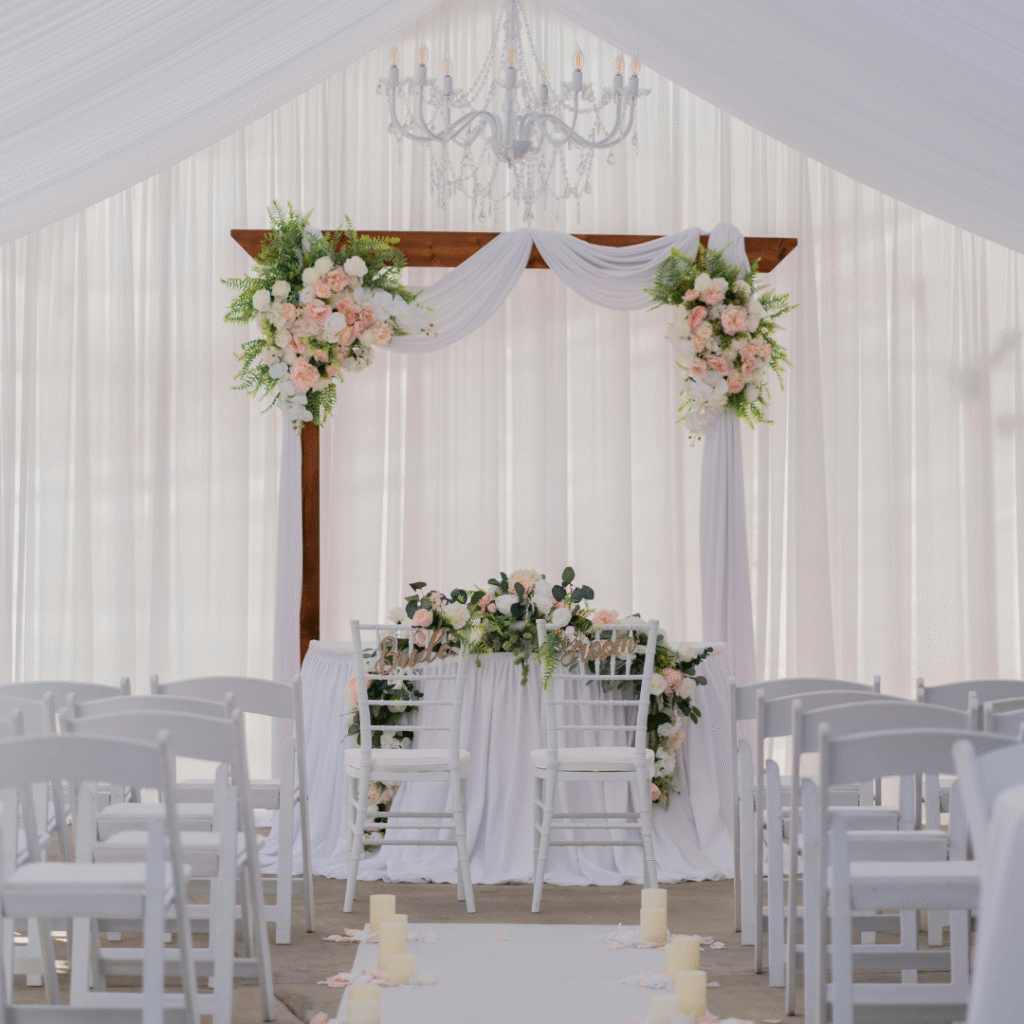
Decorating a venue on a small budget is entirely possible with thoughtful planning and creativity. The key is to prioritise cost-effective materials and focus on simple yet impactful details that transform the space without overspending. Using DIY decorations, repurposed items, and strategic lighting can create an inviting atmosphere without breaking the bank.
Careful selection of colours and themes helps maintain cohesion and saves money by limiting the need for excessive decor. It is also useful to source items from budget-friendly stores, borrow from friends, or rent rather than buy when possible.
By focusing on these practical strategies, anyone can decorate a venue efficiently while keeping costs low. This approach ensures the space feels personalised and welcoming without unnecessary expenditure.
Setting Your Venue Decoration Budget and Theme
Effective planning begins with a clear budget and a defined visual style. Keeping expenses manageable while creating a unified look requires thoughtful decisions on spending priorities and design direction.
Determining and Allocating Your Wedding Decor Budget
The first step is deciding the total amount available for venue decorations. This figure should fit within the broader wedding budget, typically allocated around 10-15% for decor.
Break down the budget into key categories: floral arrangements, lighting, table settings, and decorative accents. Prioritising items that deliver high visual impact, like centrepieces and lighting, helps stretch funds.
Consider DIY elements to replace costly products. Buying materials in bulk or repurposing items from other events cuts costs noticeably. Keep a detailed spreadsheet to track every purchase and avoid overspending.
Defining a Cohesive Venue Theme
Choosing a consistent theme unifies all decoration choices. The theme should reflect the couple’s style and be achievable within the budget.
Popular low-cost themes include rustic, vintage, and bohemian. These often use natural or second-hand materials, reducing expenses. Colours should be limited to two or three main shades to simplify sourcing decorations.
The theme influences floral choices, table linens, lighting styles, and even signage. A well-defined style reduces indecision and keeps purchases aligned, avoiding unnecessary expenditures.
Minimalist Approaches for Affordable Elegance
Minimalist weddings focus on simplicity and clean lines, which naturally lowers costs. They employ fewer decorations but choose distinctive, quality pieces.
Using neutral colours like white, beige, or soft pastels creates an elegant but understated look. Clean table settings with a single floral stem or candle provide impact without clutter.
Minimalism often relies on venue features—exposed brick walls or wooden beams—to add character. This reduces the need for extra adornments and maximises the existing space’s appeal.
Selecting and Utilising the Right Venue
Choosing a venue that fits the budget while providing useful features is essential. Focusing on practical aspects like location, existing décor, and rules will help maximise resources and reduce additional expenses.
Finding Cost-Effective Venues
Look for venues that offer basic amenities such as tables and chairs included in the rental fee. Community centres, local halls, and smaller pubs often have reasonable rates compared to dedicated event spaces.
Booking on weekdays or during off-peak seasons can significantly lower costs. Negotiating packages that combine space with catering or decoration services may also provide better value.
He or she should consider venues that require minimal extra decoration to save money. A place with neutral walls and good lighting reduces the need for costly colour-themed décor, which supports a wedding theme without extra spending.
Making the Most of Existing Features
A venue with attractive architectural details, such as exposed brick, large windows, or a garden, can serve as a décor focal point. Using these features lessens the need for additional embellishments.
Lighting fixtures should be evaluated for ambience; candles or string lights can enhance rather than replace existing installations. Plants and furniture already on site can be incorporated into the design plan.
Strategic placement of decorations, such as floral arrangements near natural features, maximises impact. He or she can create a cohesive look by complementing existing elements rather than covering them up.
Understanding Venue Restrictions and Flexibility
It is important to clarify what modifications the venue allows before planning. Some venues prohibit open flames, confetti, or attaching decorations to walls, which affects decoration choices and costs.
Knowing the venue’s policies on setup and teardown times helps schedule efficiently, potentially avoiding extra fees. If flexibility exists, consider DIY setups during extended hours to save labour costs.
He or she should verify noise restrictions or curfews, especially for evening events. This influences decisions around entertainment and lighting, which are integral to the wedding theme.
Creative and Affordable Decor Solutions
Decorating a venue on a small budget requires creative use of materials and clever design choices. Focusing on simple, reusable elements and hands-on projects can help achieve an attractive look without high costs.
DIY Floral Arrangements and Small Bouquets
Using locally sourced or seasonal flowers can significantly cut costs on floral arrangements. Simple mason jars or recycled glass bottles make excellent vases for small wedding bouquets.
Creating your own floral arrangements allows control over style and size, tailoring bouquets to the venue’s atmosphere. Adding greenery or filler flowers helps add volume without increasing expenses.
He or she can combine flowers like baby’s breath, daisies, and greenery to keep arrangements simple yet elegant. Keeping bouquets and centrepieces small reduces costs while maintaining a fresh, inviting appearance.
Stylish Use of Low-Cost Fabrics and Table Runners
Choosing affordable fabrics such as burlap, cotton, or polyester blends can enhance table decor without overspending. Table runners made from these materials add texture and polish on a budget.
Fabric can be layered or combined with simple embellishments like lace trims or ribbon for added interest. He or she may consider cutting fabric scraps to create unique designs or patterns to personalise the setting.
Reusing fabric pieces for cushions, banners, or chair ties extends their value and reduces the need for extra purchases. Lightweight materials are easier to handle and drape, ideal for weddings or parties.
Budget-Friendly Lighting Effects
String lights, fairy lights, and LED candles create an atmosphere without high electricity costs or complex installation. Battery-operated options allow flexible placement around the venue.
Repurposing inexpensive glass jars as candle holders adds a rustic charm. Grouping lights in clusters or draped along walls and ceilings enhances space illumination effectively.
Adjusting light intensity and colours can complement other elements like floral arrangements and fabric decor. Simple lighting methods can transform an ordinary room into a welcoming and warm environment.
Repurposing Everyday Items for Decoration
Using everyday household items cleverly reduces the need to buy new decorations. Old picture frames, books, or kitchenware can become photo displays or centrepieces.
Glass bottles, tins, and wooden crates make versatile containers for flowers or candles. He or she can spray paint or decorate these objects to match the event’s colour scheme.
Repurposed materials often add a personalised, homey feel. Combining these with other budget-friendly decor items makes the venue look thoughtfully styled without costly additions.
Adding Finishing Touches Within a Small Budget
Finishing touches create atmosphere without overspending. Simple, well-chosen decorations add style and personality to a venue.
Incorporating Balloons, Lanterns, and Bunting
Balloons are cost-effective and versatile. Using clusters of helium or air-filled balloons in complementary colours can create visual impact. Avoid overly large arrangements to keep expenses low.
Paper lanterns hung from the ceiling add height and softness to the decor. LED tea lights inside lanterns offer a safe, affordable glow.
Bunting is easy to make from fabric scraps or paper. It works well as a backdrop or draped along walls. Mixing different patterns and textures can make it unique without extra cost.
Simple and Affordable Centrepieces
Glass jars or tin cans make practical base containers for centrepieces. Filling them with seasonal flowers or fairy lights enhances their appeal.
Candles in inexpensive holders add warmth. Using small mirrors underneath centrepieces can reflect light and create a polished look.
Natural elements like pinecones, branches, or fruit bowls keep costs down. Combine these with minimal accessories for a neat, attractive table display.
Personalised Stationery and Table Accents
Printable templates allow guests’ names, menus, or schedules to be customised inexpensively. Using quality paper and simple fonts maintains a neat, professional appearance.
Small tokens such as customised tags or thank you notes add a personalised touch. These can be attached to favours or placed at each setting.
Table accents like coloured napkins or twine can be bought in bulk and styled creatively for a consistent theme without extra spending.